
May 29, 2026 · 2 min read
Winery photography in Mendoza: visual identity, wine and landscape
Building the visual identity of a Mendoza winery isn't just photographing a bottle. It's the label, the experience, the landscape and the people behind the wine. How we work across the Uco Valley, Luján de Cuyo and Maipú.
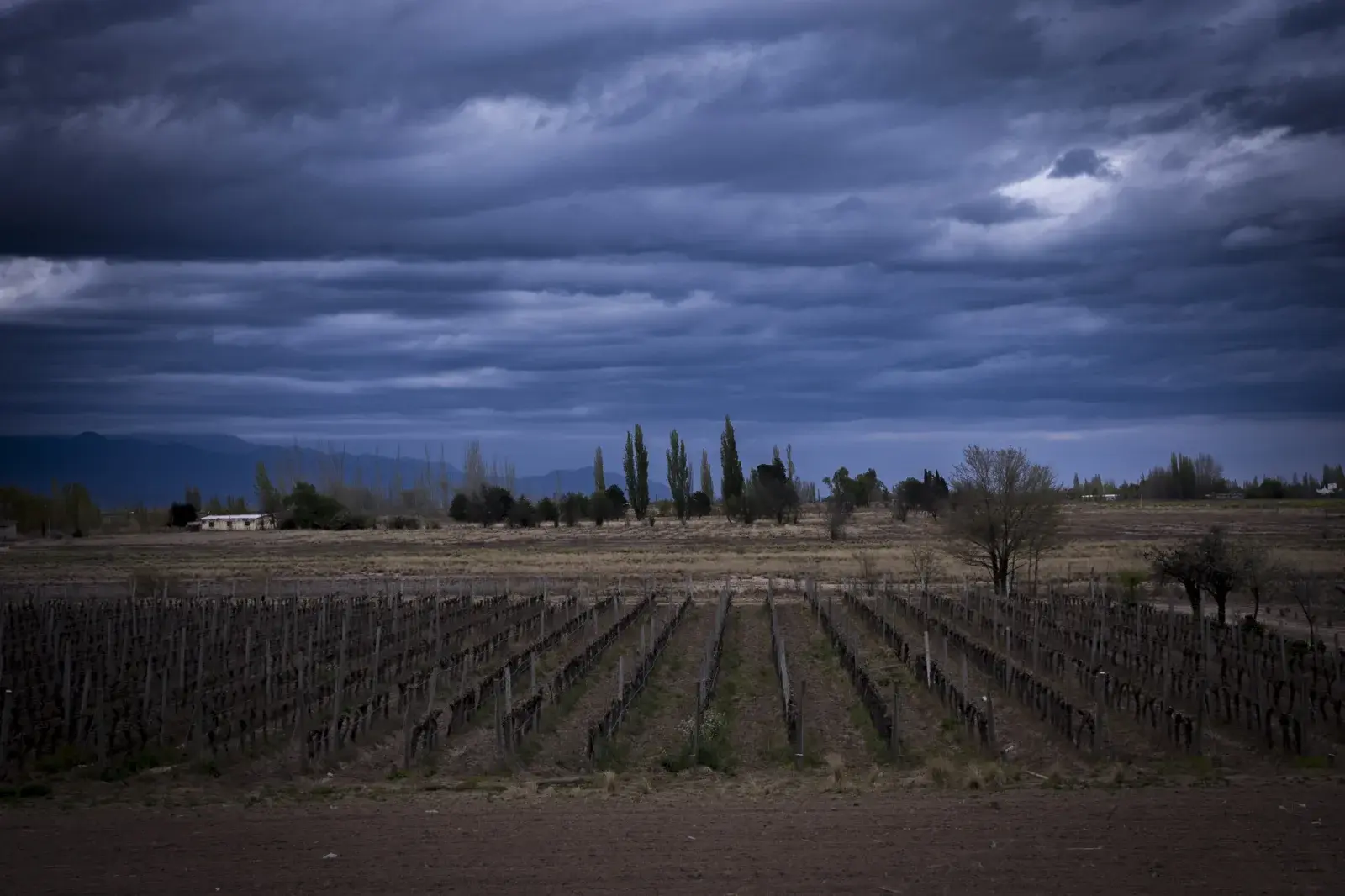
Photographing a winery is one of the most interesting things you can do in Mendoza, precisely because it's not about photographing a bottle. A winery is an entire universe: the wine, the label, the vineyards, the tanks, the barrels, the golden hour over the rows, the working hands, the visitors arriving, the restaurant, the tasting room. Doing that work seriously means understanding that each of those elements builds, piece by piece, the visual identity of the brand.
Beyond the bottle
The bottle is the easy part. What's hard is making that bottle, that label and that wine recognizable inside a coherent universe. That asks for decisions about palette, light, typography in use, the people who accompany the product, the landscape that frames the brand. When all that is dialed in, a winery can show ten different pieces and they all speak the same language. When it isn't, every photo goes its own way.
Working the visual identity of a winery is, in the end, putting together a brand manual made of images.
Locations: three worlds in one province
Each Mendoza zone offers something different visually.
Uco Valley is the big landscape: the Andes closer, vineyards at higher altitude, clean light, scenes that can sustain an institutional piece or a large-format campaign. It's the right zone for wide shots, scenes with landscape, drone work and anything that has to communicate terroir and altitude.
Luján de Cuyo is the classic zone of Mendoza wine, with historic wineries, mature parks and traditional architecture. The right location for everything having to do with lineage and heritage. The light is warmer and the environments more curated.
Maipú is the production zone: industrial wineries, tanks, cellars, wine museums. The best option for documentary photography of the process, team portraits and anything that communicates craft and making.
Choosing the right location is half the production.
Mendoza light
Light in Cuyo is different. The altitude, dry air and the mountain range shift the quality and direction of the sun. That means magic hours are shorter and fall faster, midday shadows are harder, and sunset over the vineyards, especially from the Uco Valley, gives images few other regions in the country can offer. Planning a shoot in Mendoza without understanding that light means losing frames you don't get back.
Wine tourism: the other front
More and more wineries are becoming destinations. Guided tours, in-house restaurant, lodging, pairing experiences, events. That asks for another layer of photography: no longer just wine and landscape, but the human experience. People toasting, set tables, kitchen in action, shared sunsets. That's the material that goes to social, to booking sites, to guides and press, and it's what moves the international tourist's purchase decision the most.
If you run a winery in Mendoza
If you run a winery and want to refresh your visual identity, write to hola@sunfactory.com.ar. We'll put together a custom proposal: product, landscape, experience, team, and everything your brand needs to tell again what it's already doing well.
Want to work with us?
We're open to talking about new projects. Write to us.